Tube feeding support and tube weaning
In-home feeding therapy for babies and children with NG tubes and G-tubes, from keeping oral skills strong while the tube is needed to moving toward eating and drinking by mouth, as part of your child's medical team, across Celina, Prosper, Frisco, McKinney, Aubrey, Little Elm and Anna.
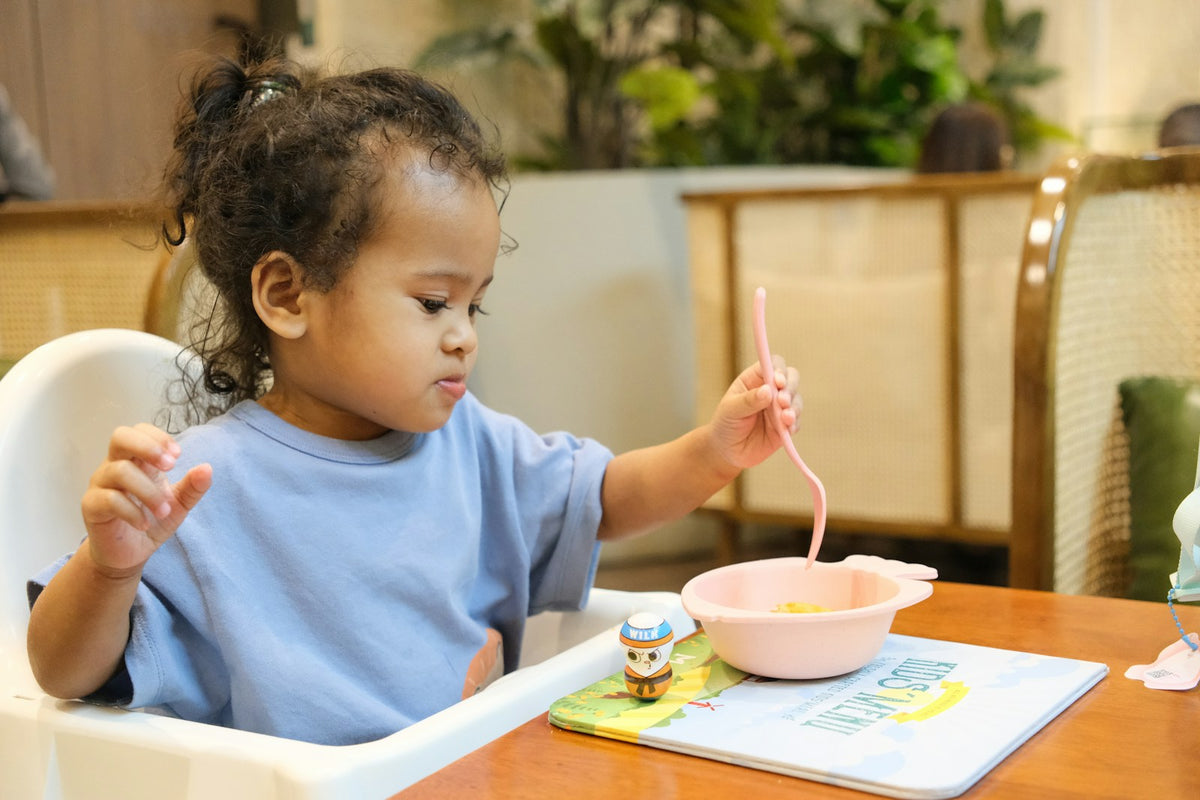
Many babies and children need a feeding tube for a while, whether it's an NG (nasogastric) tube, a G-tube or a GJ-tube. A tube can be exactly what a child needs to grow. But eating by mouth doesn't always come back automatically: the skills may not have had a chance to develop, and eating may feel uncomfortable or even scary.
At NTX, Meagan Dungan, M.S., CCC-SLP, supports children with feeding tubes at every stage, in your home, where your child eats every day. That includes keeping oral skills going while the tube is needed, supporting the move from an NG tube to a G-tube, and helping your child transition toward eating and drinking by mouth at their own pace.
NG tube and G-tube support
Support looks different depending on the tube and where your child is in their journey.
NG tube support
A nasogastric tube runs through the nose into the stomach and is often used for a shorter time. We keep the mouth and face comfortable, protect oral skills and the joy of tastes, and help your family through daily routines while the NG tube is in place.
G-tube and GJ-tube support
A gastrostomy tube goes directly into the stomach and is often used for longer-term support. We build eating, drinking and oral motor skills alongside tube feeds, so your child is ready when the team decides it's time to wean.
Moving from an NG tube to a G-tube
If your child's team recommends a G-tube, we help keep oral skills, tastes and mealtime routines going through the change.
Transition from tube to mouth
Step by step, your child eats and drinks more by mouth while the team reduces tube feeds, with skills, comfort and safety guiding every step.

What the team looks at before weaning
- Your child is medically stable and growing well on the current plan
- Swallowing is safe for the textures being practiced, sometimes confirmed with a swallow study
- Your child shows interest in food, tastes or mouthing toys
- The pediatrician, GI doctor, dietitian and SLP agree on the plan
- Your family has time to practice a little every day
What feeding therapy includes
In-home feeding evaluation
We watch your child with real foods in their own seat and look at oral motor skills, swallowing, sensory responses and the mealtime routine.
Oral motor foundations
Building the jaw, lip and tongue skills for sucking, biting, chewing and drinking from a cup or straw.
Comfort with food
Gentle, play-based steps with smells, tastes and textures so food becomes familiar instead of stressful.
Positive mealtimes
Responsive, no-pressure feeding that follows your child's cues, with routines the whole family can keep.
Volume and variety
Step by step, your child eats more by mouth and tries more foods as the team adjusts the tube plan.
Family coaching
A clear home program and support between visits, so practice fits into real life.
Tube weaning is a team decision
Decisions about formula, volumes and the tube feeding schedule are made together by your child's pediatrician, GI doctor, dietitian and feeding therapist (SLP). As your child's SLP, I bring detailed information about oral skills, swallow safety and how much your child is eating by mouth, and I work closely with the team to plan each step down safely.

How it works with NTX
| Step | What happens |
|---|---|
| 1. Reach out | Tell us about your child, their tube and their medical team. |
| 2. Feeding evaluation | In your home, with your child's real foods, seat and routine. |
| 3. Team plan | We share findings with your child's pediatrician, GI doctor and dietitian and agree on goals together. |
| 4. Therapy and home practice | Weekly therapy plus a short daily home program. |
| 5. Stepping down tube feeds | The team reduces tube feeds together as eating by mouth grows, with weight and hydration checks. |
| 6. Keeping it going | We check in as your child eats more, tries new foods and grows. |
Serving North Dallas families
NTX provides in-home tube feeding support, tube weaning and feeding therapy in Celina, Prosper, Frisco, McKinney, Aubrey, Little Elm and Anna, and surrounding Collin and Denton County communities, with virtual consultations for families farther away. We work alongside pediatricians, pediatric GI, dietitians, ENT and other specialists and coordinate with them throughout.
Questions families ask
Who decides when my child is ready to wean from the tube?
It's a team decision. Your child's pediatrician, GI doctor, dietitian and feeding therapist (SLP) decide together when your child is ready and how to step down tube feeds safely. As the SLP, I bring detailed information about your child's oral skills, swallow safety and how much they're eating by mouth.
Do you support children with NG tubes and G-tubes?
Yes. I work with babies and children with NG (nasogastric) tubes, G-tubes and GJ-tubes, whether the goal is keeping oral skills going while the tube is needed, getting ready for a move from an NG tube to a G-tube, or weaning off the tube entirely.
Can therapy start while my child still gets all of their nutrition by tube?
Yes, and it often should. Building oral motor skills, comfort with tastes and textures, and positive mealtime routines can start long before tube feeds are reduced.
How are tube feeds reduced?
Changes to formula, volumes and the feeding schedule are planned together by your child's pediatrician, GI doctor, dietitian and SLP, with weight and hydration checks along the way. I share what I see at every meal so each step down is based on your child's real skills.
How long does tube weaning take?
It varies a lot from child to child. Some children move quickly once the foundation is in place, and others need months of building skills and comfort. We set goals with your family and the team and adjust as your child progresses.
What ages do you see?
We see babies, children and teens, from birth to 18 years.
Do you come to our home?
Yes. Evaluations and therapy happen in your home across Celina, Prosper, Frisco, McKinney, Aubrey, Little Elm and Anna, and virtual consultations are available for families farther away.
Do you take insurance?
NTX is a private-pay practice. You will receive a Good Faith Estimate before services begin.

Learn more
Read picky eater or something more? and the feeding milestones guide. Explore infant feeding therapy, oral motor therapy and VitalStim swallowing therapy.
Swallowing: signs that need a closer look
Signs of a swallowing problem and what an evaluation includes. Free with your name and email.
Ready to talk about your child's tube and feeding?
Start with an in-home feeding evaluation. We'll look at your child's skills, comfort and mealtime routines, and build a plan with you and your child's team.